
Vacuum Laser Welding Machine
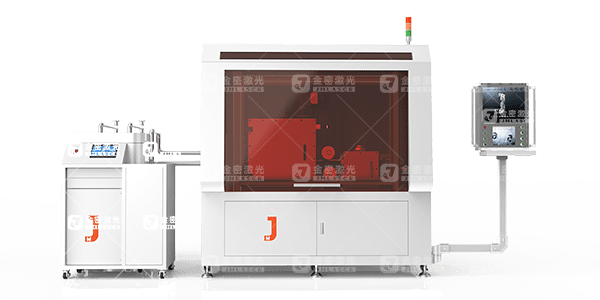

Vacuum environment reaches 10-6 Pa

Equipment configuration can be customized

Avoid welding spatter and ensure the quality

Real time monitoring of welding process
What is Vacuum Laser Welding
A molecular-level fusion process conducted in controlled vacuum environments (10⁻³~10⁻⁶Pa), where high-energy laser beams achieve metallic bonding free from atmospheric interference. This breakthrough technology transcends the physical limitations of conventional welding, delivering ultimate sealing solutions for mission-critical applications.
-
Vacuum Sealed Chamber
Can achieve vacuum inside the sealed product cavity
-
Spatter Control Revolution
83% extended metal vapor mean free path in vacuum reduces spatter rate to ≤0.2% for precision welding
-
Oxide-Free Welding
Eliminates oxidation reactions (O₂/H₂O), achieving weld oxygen content <50ppm to meet medical/aerospace-grade purity standards
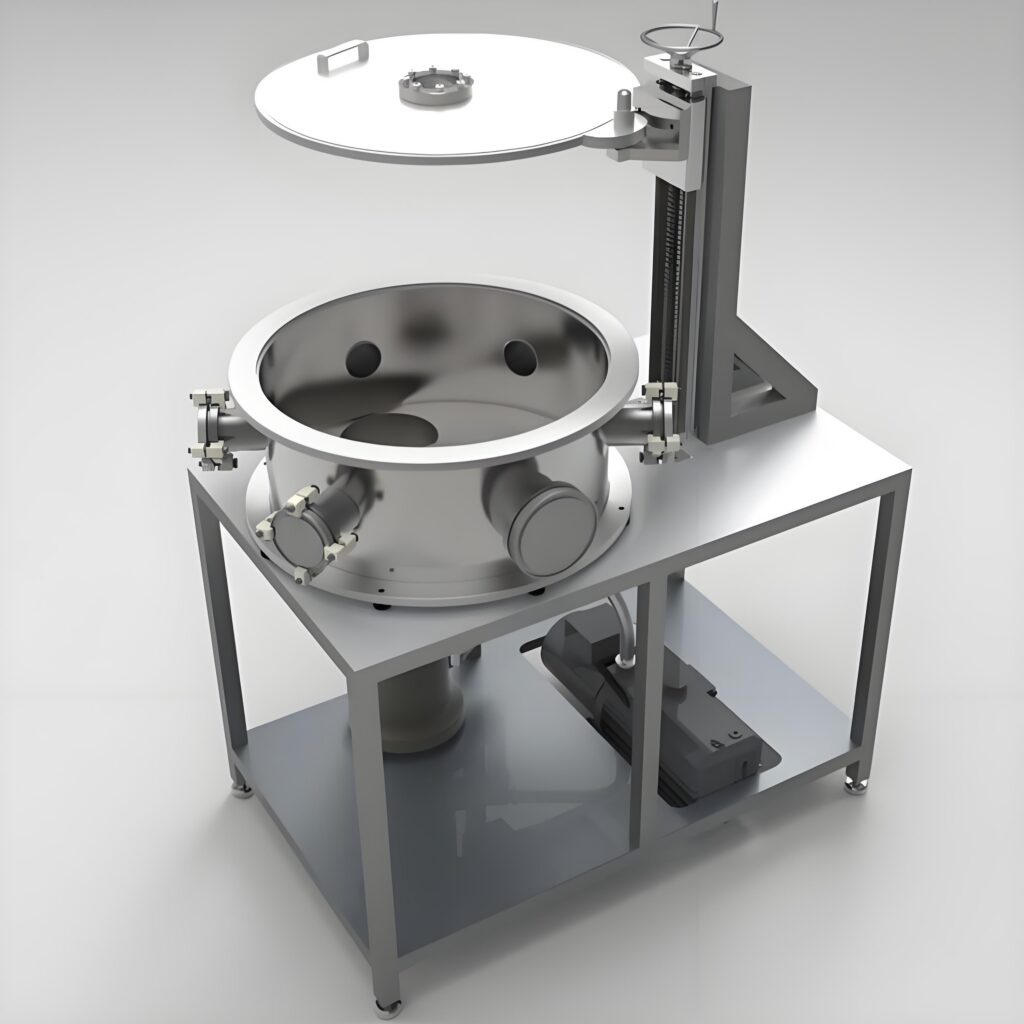
Precision Vacuum Generation System
Our 3-tier vacuum architecture redefines welding environment control. By integrating mechanical pumping, molecular extraction, and ionic purification technologies, we achieve surgical-grade vacuum environments ranging from 10⁻¹ Pa to 10⁻⁶ Pa. This modular system intelligently switches between turbo molecular pumps (for rapid gas evacuation) and sputter ion pumps (for ultra-clean maintenance), ensuring optimal vacuum states tailored to specific material requirements.
| Tier | Component | Performance | Functional Value |
|---|---|---|---|
|
L1 |
Rotary Vane Mechanical Pump |
Low Vacuum (10⁻¹ Pa) |
Rapid pre-evacuation foundation |
|
L2 |
Turbo Molecular Pump |
High Vacuum (10⁻³~10⁻⁵ Pa) |
Active gas molecular elimination |
|
L3 |
Sputter Ion Pump |
UHV (10⁻⁶ Pa) |
Oil-free ultra-clean maintenance |
Benefits of Laser Welding in Vacuum
- An increase of over double the welding depth than in air
- Parallel-sided seams with reduced nailhead
- Increase process stability due to significantly reduced and stable plasma plume
- Reduction of workpiece contamination by spattering and vaporisation
- Higher-quality, pore-free weld seams
- Low operating costs due to efficient solid-state laser
- Welding process without inert gas
- No requirement for x-ray shielding
- Suitable for magnetic materials
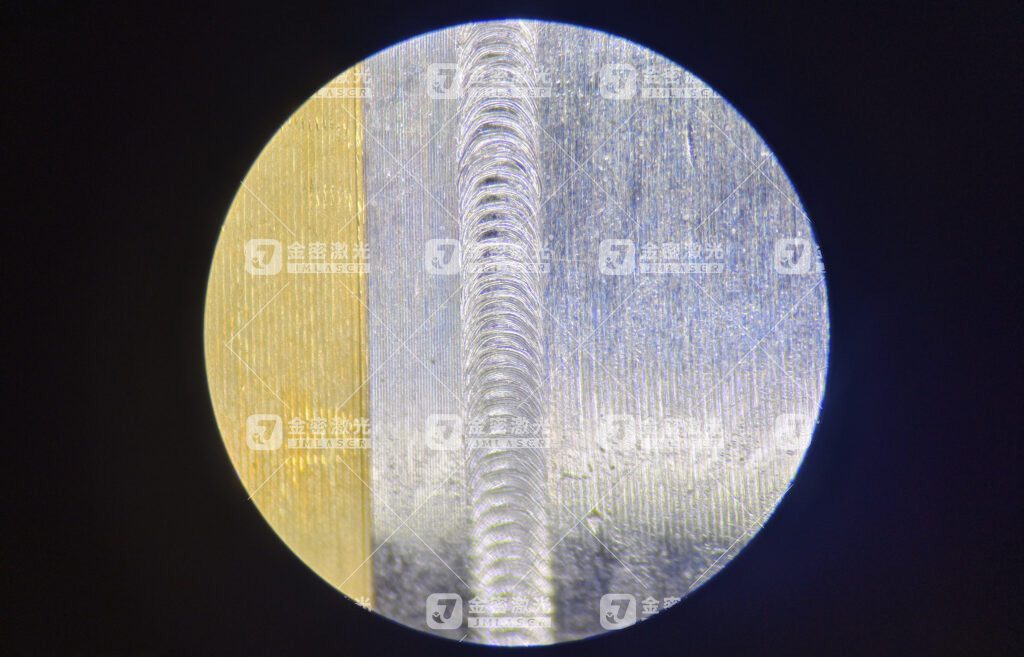
Applicable environment
Suitable for use in cleanroom environments ranging from hundreds to millions, as well as in conventional workshops and laboratories.
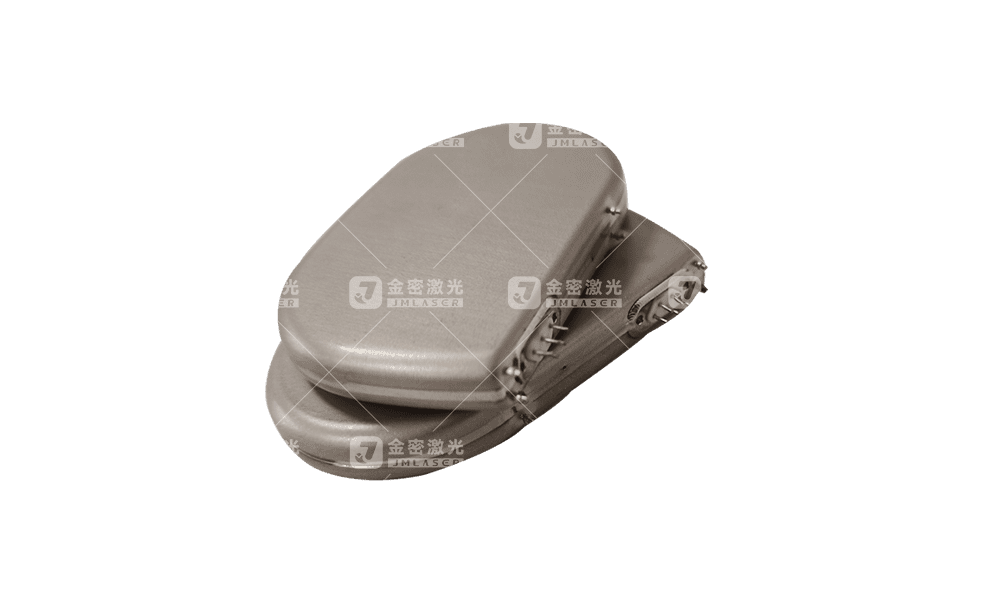
implantable medical
- Cleanroom-certified environment
- Control of water oxygen content
- HE Leak Rate<1×10⁻-12Pa·m³/s
- Example: Heart Pacemaker
Military manufacturing
- Vacuum hermetic sealing
- Long term vacuum maintenance
- HE Leak Rate<1×10⁻-12Pa·m³/s
- Example: Metal Shell
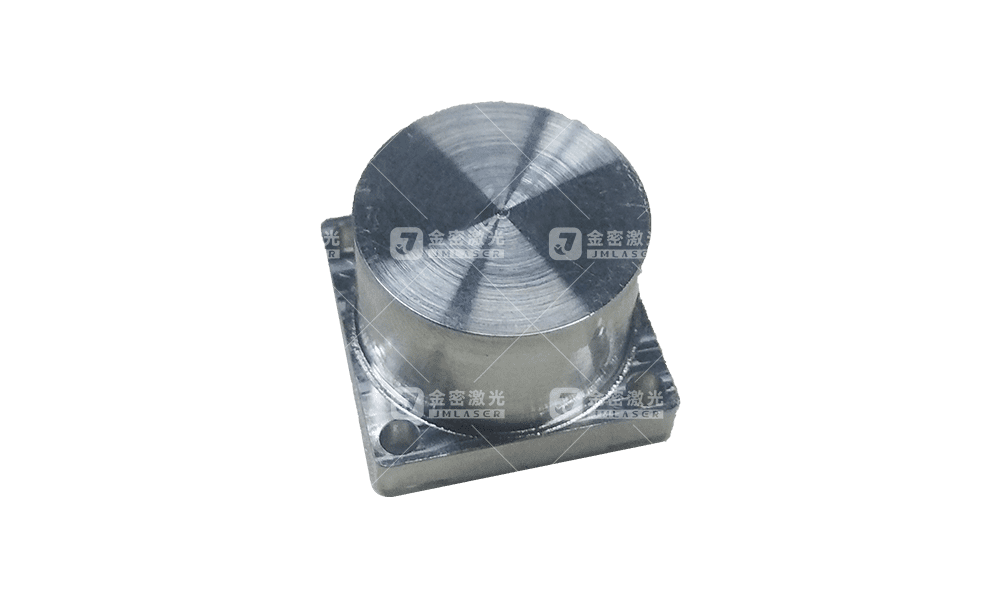
Microwave RF
- Inert gas environment
- Thermal impact control
- HE Leak Rate<1×10⁻-9Pa·m³/s
- Example: Filter
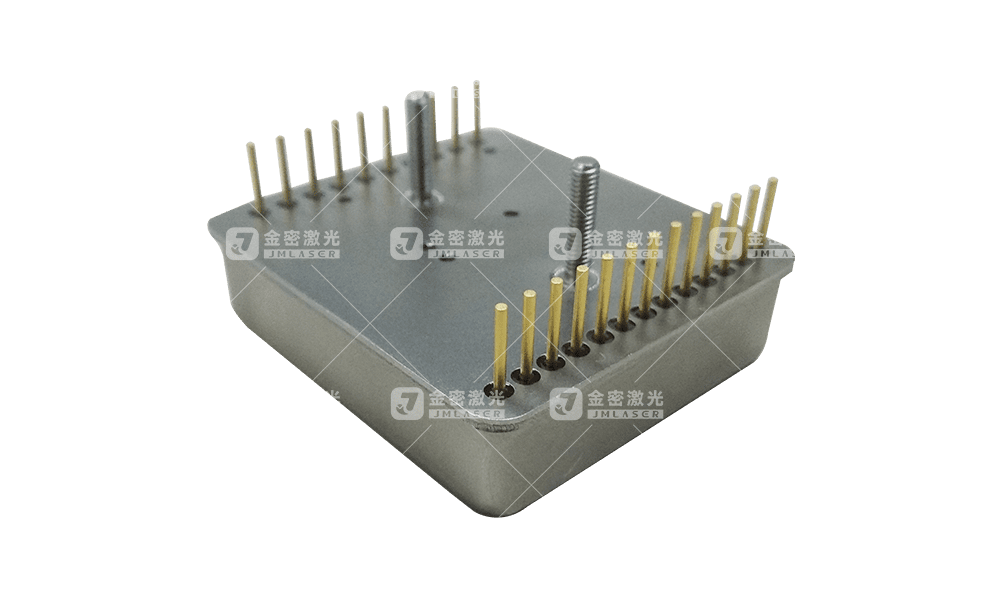
sensor
- Welding penetration control
- Vacuum hermetic sealing
- HE Leak Rate<1×10⁻-9Pa·m³/s
- Example: Pressure Sensor
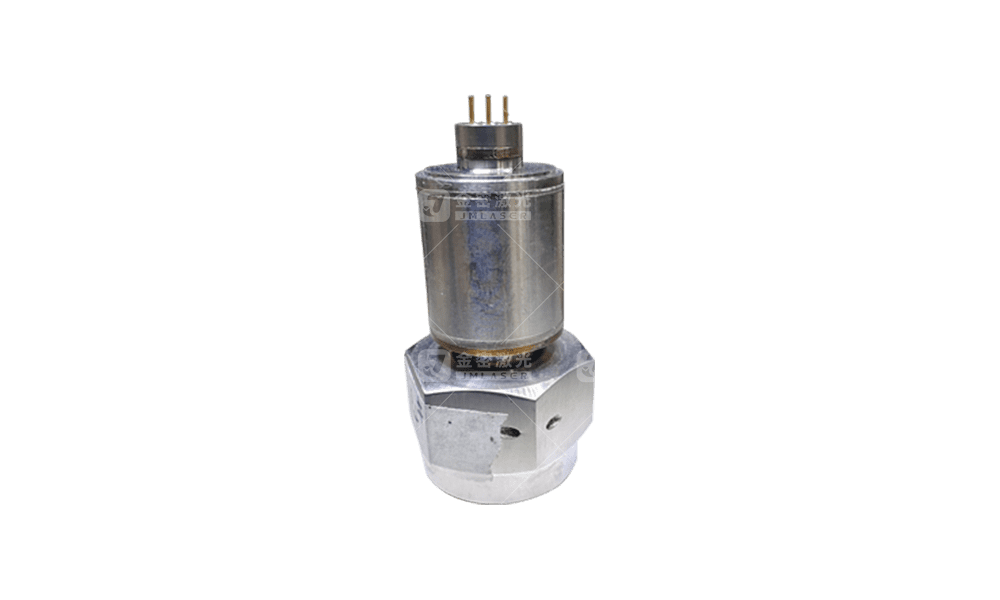
Relevant standards
| Category | Standard | Scope | Key Criteria |
|---|---|---|---|
|
Material |
ASTM F136 |
Medical Titanium (Ti6Al4V ELI) |
Biocompatibility/O₂≤0.13% |
|
AMS 4911 |
Aerospace Titanium |
Tensile Strength≥895 MPa |
|
|
MIL-DTL-24176 |
Military Kovar Seals |
CTE 4.8±0.1×10⁻6/℃ |
|
|
Welding Process |
ISO 13919-1:2023 |
Laser Welding Quality Class |
Grade B Welds (Aerospace) |
|
MIL-STD-2219 |
Military Laser Welding |
Depth-to-Width Ratio≥5:1 |
|
|
NASM 1312 |
Aerospace Electronics |
Thermal Cycling (-65°C~150°C) |
|
|
Hermeticity Test |
MIL-STD-750E |
Military Sealing |
He Leak Rate<1×10⁻⁸ cc/s |
|
ASTM E499 |
Helium Leak Detection |
Leak Rate<5×10⁻⁷ Pa·m³/s |
|
|
GJB 548B |
Military Microelectronics |
Fine+Gross Leak Dual Verification |
|
|
Military Spec. |
MIL-STD-883 |
Microelectronics Reliability |
Particle Impact Noise Detection |
|
DEF STAN 02-813 |
Military Vacuum Sealing (UK) |
He Leak Rate<5×10⁻⁹ mbar·l/s |